
PeakMD Regenerative is an orthopedic surgeon–led practice for active adults with persistent joint and tendon pain. Before anything is recommended, Dr. Graeme Matthewson works out what's driving your pain: your history, your exam, your imaging, what you've already tried, and what you want to get back to. The plan comes from what he finds. Sometimes that's a regenerative program. Sometimes it's rehabilitation, more imaging, a referral, or surgery.
"Knee pain" and "shoulder pain" tell us where to look. They don't tell us what's wrong. Two people can walk in with the same complaint, such as pain going down stairs, and have completely different problems: worn cartilage in one, a meniscus tear in another, a kneecap that doesn't track well in a third, and pain referred from the hip in a fourth.
That's why the same treatment doesn't work for everyone with the same pain. Many of the treatments patients have already tried, such as cortisone, anti-inflammatories, rest, and bracing, are designed to manage symptoms. They can be the right choice. But managing pain and understanding pain are different jobs. When we understand what's generating the pain, the treatment changes, and so does the result.

Persistent pain in a joint or tendon usually involves more than one factor. These are the six Dr. Matthewson may assess in your evaluation, whether your pain is in the knee, a tendon, the hip, the shoulder, or another area. They aren't a self-diagnosis checklist. Each one points to a different part of the plan, and every plan has a clear next step.
An injury or damaged tissue, such as cartilage, meniscus, tendon, or ligament, that hasn't recovered. This can happen when load, movement, or recovery conditions keep interrupting healing. May point to: targeted treatment and progressive rehabilitation.
Arthritis and changes in the bone beneath the cartilage. Imaging matters, but it's read alongside your symptoms, exam, and function. It isn't a verdict on its own. May point to: joint preservation planning, intra-osseous treatment when indicated, strength and load support, or a surgical discussion.
A joint that gives way or doesn't feel trustworthy. Alignment that overloads one area. Weakness or movement patterns elsewhere in the body that shift stress onto the painful spot. May point to: strength and movement retraining with your athletic therapist, bracing, targeted treatment, or a surgical opinion.
Pain felt in one place can sometimes come from another, such as the hip, spine, or an irritated nerve. A pain system that has been active for a long time can also become more sensitive. May point to: clarifying the true source, and referring when another specialist is the right fit.
Swelling, stiffness, warmth, and flares after activity that take days to calm down. May point to: individualized load management, targeted treatment to settle the tissue, and coordination with your other doctors when needed.
Sleep, nutrition, metabolic health, body composition, stress, conditioning, nicotine, and medications all affect how well tissue heals. A procedure isn't a stand-alone event. Your biology determines how well you respond to it. May point to: biologic-readiness support and coordination with your broader medical team.
These factors often show up together. When they do, the plan has to address more than one of them. Building that plan, and telling you when another path is better, is the core of what we do.
Every PeakMD plan follows the same four steps, whatever your condition. The order matters. Each step depends on the one before it.

Your symptoms, history, exam, imaging, prior treatment, and goals are reviewed together. Imaging is read in the context of how you move and what you can do, not on its own. The result is a clear explanation of what's likely driving your pain, and an honest answer on whether you're a candidate.

Your plan is matched to what the evaluation found, not chosen from a menu. It may include rehabilitation, a selected regenerative treatment, support for your recovery biology, additional imaging, a referral, or surgery when that's the right answer.

Recovery is structured and coached. Your athletic therapist progresses your loading week by week, so you rebuild strength, capacity, and trust in the treated joint or tendon. For many patients, confidence is the first thing to return.

The goal is the activity you've been missing: the trail, the court, the training block, the trip, the floor with your grandkids. Progress is measured with validated outcome scores, so you and Dr. Matthewson can see what changed and decide what comes next.

PeakMD's 12-week program structure came from watching what changed outcomes. The regenerative treatment matters, but it's only part of the result. The other 80% is what happens around it: a progressive loading program, coaching from an athletic therapist, sleep and nutrition guidance, and structured follow-up.
That's why PeakMD offers programs, not single injections. Each program includes the treatment, athletic therapist–led coaching, in-office ultrasound, and progress measured with validated outcome scores. These are standardized questionnaires used in orthopedic research, such as the KOOS for the knee, the HOOS for the hip, and the VISA for tendons. They track pain, function, and activity over time, so progress isn't left to guesswork.
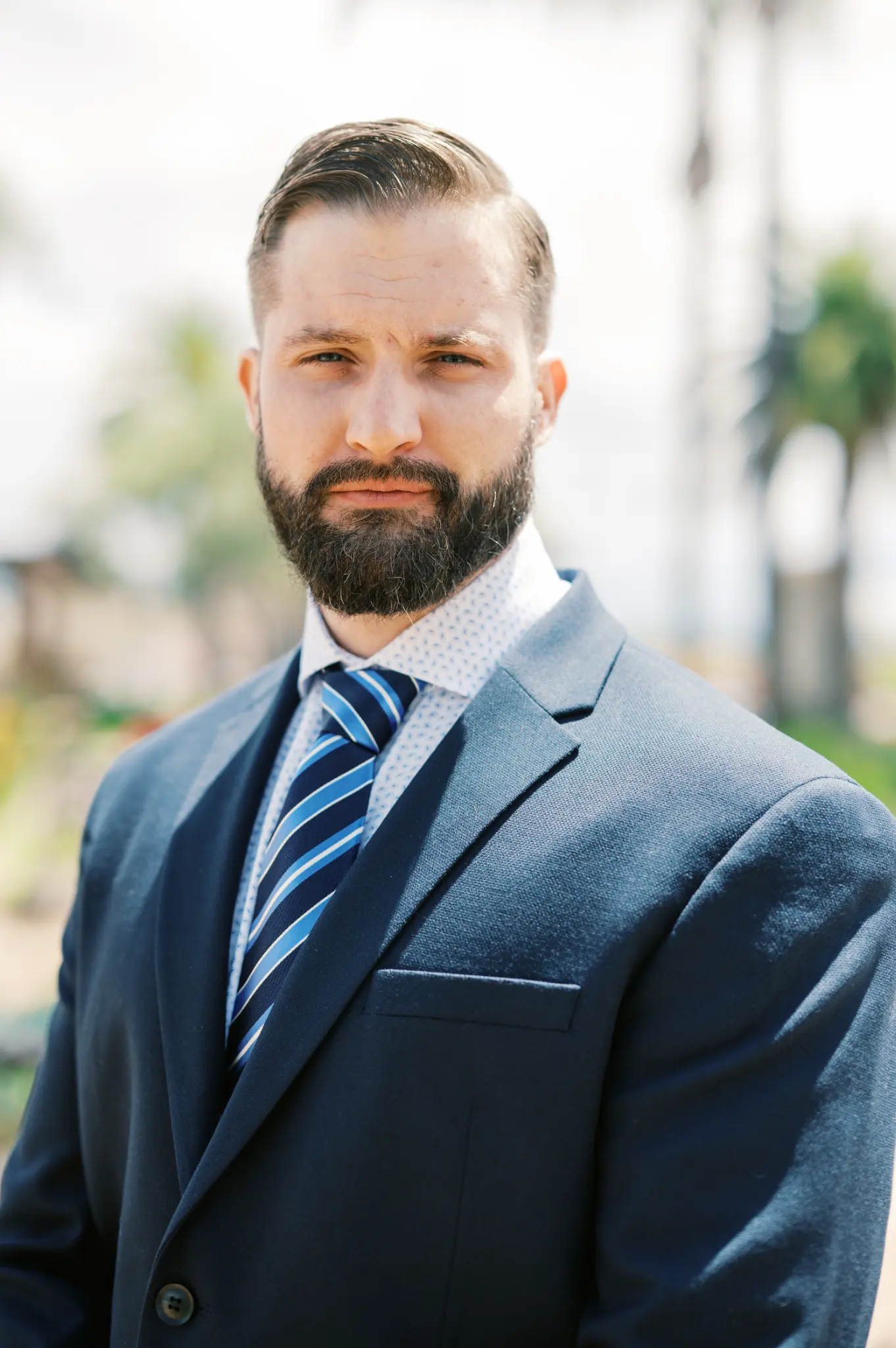
Dr. Graeme Matthewson, MD, FRCSC · Board-Certified Orthopedic Surgeon (Diplomate, American Board of Orthopaedic Surgery) · Fellowship-Trained in Sports Medicine
Dr. Matthewson is a sports medicine orthopedic surgeon trained at the University of Calgary, the University of Manitoba, and the Southern California Orthopedic Institute. He still performs surgery, including tendon and ligament repair and joint replacement. He founded PeakMD to give patients who've been told they need surgery a better non-surgical option first: a targeted biologic treatment inside a coached recovery program. About one in four PeakMD consultations ends with a surgery recommendation. When surgery is the right answer, he'll tell you.
These are the commitments behind every PeakMD consultation and program.
The physician reading your MRI is an orthopedic surgeon who performs the operations you may have been told you need. His recommendation for or against surgery comes from experience on both sides.
PeakMD focuses on joints, tendons, and performance. We don't offer cosmetic or unrelated wellness services. Three structured programs, each with real protocols and outcome tracking.
Every program includes a loading program, sleep and nutrition guidance, and structured check-ins led by our athletic therapist.
Our candidacy criteria are on the website. Program pricing is reviewed at your consultation, once we know what fits. If you're not a candidate, Dr. Matthewson will tell you during the consultation and explain why.
PeakMD offers a full range of orthobiologic options. Options that use your own tissue include PRP, bone marrow aspirate concentrate (BMAC), microfat, protein concentrate, and adipose cell therapy. Each is selected based on your imaging, exam findings, and the published evidence.
About one in four consultations ends with a surgery recommendation. When surgery is right, you'll hear it directly.
Regenerative care can help the right patient. It isn't the right answer for everyone, and it doesn't work the same way for everyone. Here's what you can count on, and what no one should promise you.
What we promise:
What we don't promise:

Medically reviewed by Dr. Graeme Matthewson, MD, FRCSC · Board-certified orthopedic surgeon · Fellowship-trained in sports medicine · All clinical claims, treatment descriptions, evidence statements, and regulatory disclosures on the PeakMD website are reviewed and approved by the treating physician.
30 minutes with Dr. Matthewson. Your history, exam, and imaging reviewed together, and a clear explanation of what's driving your pain. You'll have a written plan, whether it's regenerative, surgical, conservative, or none of these. Your $350 consultation fee is credited toward your program if you enroll.

Orthopedic Surgeon-led regenerative medicine.
4100 Long Beach Blvd,
Suite 110,
Long Beach, CA 90807
Tel: (323) 694-0880
Email: hello@peakmdregen.com
By appointment only